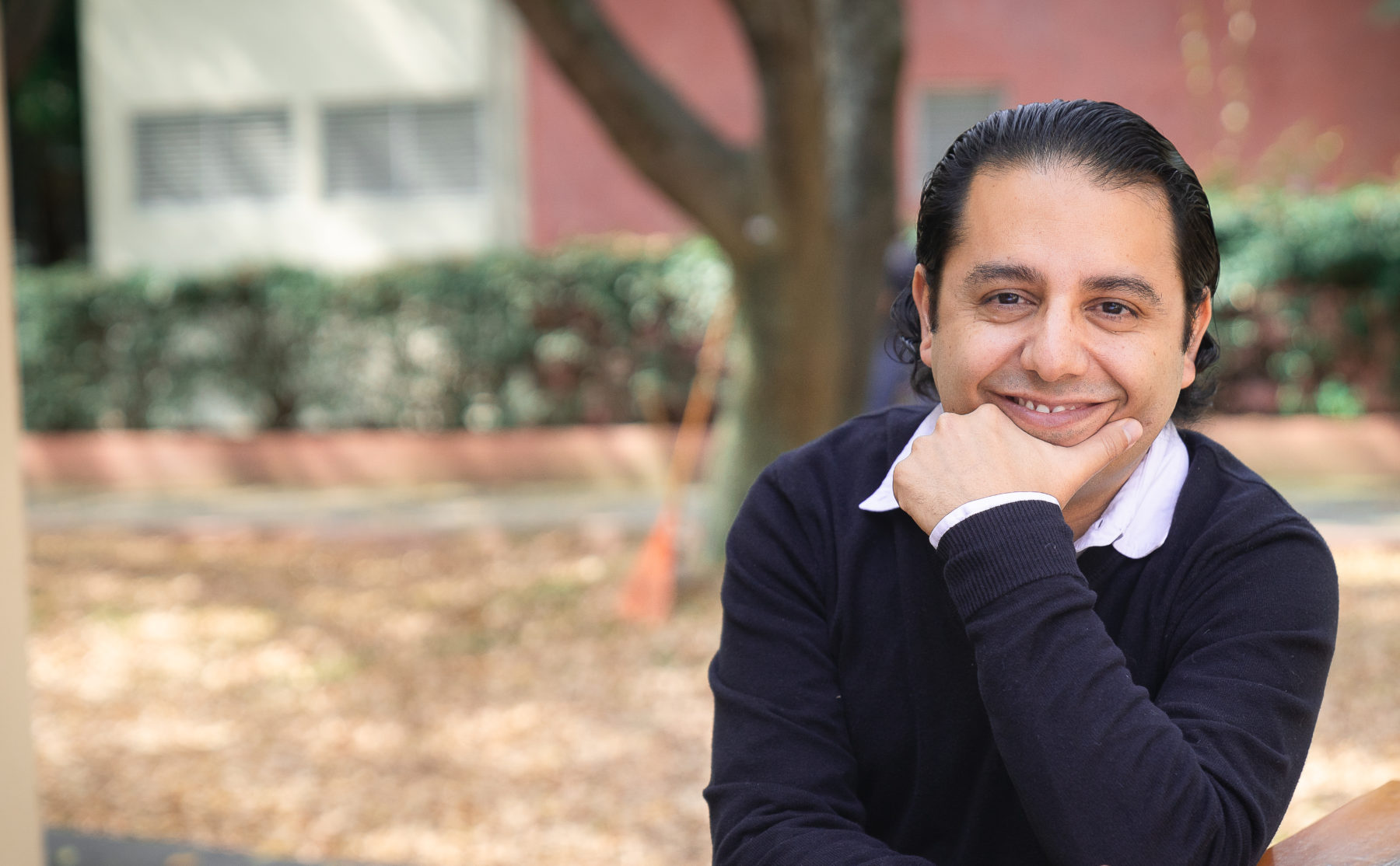
By Juan Larrosa, June 9, 2025
Migration from Latin America to the United States has long been a central issue, at least over the past fifty years—a period marked by significant commercial, labor, and cultural exchange between the U.S., Mexico, and the rest of the region.
An asymmetric relationship has shaped this exchange. The United States, as a global hegemon for the past century, has exerted significant political, economic, technological, and cultural influence over migration flows at its southern border. Over the decades, there have been different phases, generally complex, because on one hand, the country depends on migrant labor—often undocumented—who take on tasks that many U.S. citizens are unwilling to do. On the other hand, this labor is key to industries that the U.S. prefers to keep outside its territory, such as those with highly polluting or labor-intensive production.
From the Latin American side, migration also represents a significant source of income, particularly through remittances sent by migrants. In Mexico’s case, these remittances make up a substantial portion of the national GDP. However, the relationship remains deeply unequal: the flow of money does not compensate for the human and social costs that migration entails for millions of people.
The arrival of Donald Trump marked a new chapter, defined by explicit cruelty and a racism that, while always present, had previously been masked by more diplomatic language. In recent weeks, we’ve seen an intensification of anti-immigrant discourse. From a discursive perspective, migrants are being portrayed as savage, violent, uncivilized people—bearers of an inferior culture that threatens to contaminate and destroy American society.
Amparo Marroquín clearly explains this in the most recent episode of El Hilo, a podcast published by Radio Ambulante, titled Trump, los migrantes y el uso político de la crueldad. I strongly recommend listening to it, as it provides a sharp analysis of current migration discourse in the United States.
The recent images circulated by the U.S. government—through its immigration agency ICE—reinforce this narrative: they depict racialized individuals, brown and Black men, shaved heads, tattoos—portrayed as inherently violent. Of the peaceful marches taking place in Los Angeles, only the isolated moments of confrontation or violence are being shown, often provoked by the police or National Guard themselves. In this way, a distorted picture of events is being constructed.
The danger is that this could be a deliberate strategy: escalating arrests and repression to provoke larger protests, thus fueling the narrative that migrants are enemies of the state and public order. We are in a very delicate moment, one in which the conflict could escalate rapidly.
This text was originally read on NTR Radio on June 9, 2025, in a broadcast hosted by journalist Sergio René de Dios Corona.